US E-Bike & E-Scooter Laws 2026: What's Street-Legal?
US E-Bike & E-Scooter Laws 2026 — What’s Street-Legal vs Off-Road Only
US rules on electric bikes and scooters vary by state and trip up a lot of buyers. Pick the wrong category and you’ll end up with a ride you can’t legally use on the street — or one that needs motorcycle registration. Here’s the clean breakdown of how the federal definition and the state 3-class system work, and how to buy or sell with full confidence on Rydiqo®.
Quick rule of thumb: Most states use a 3-class system. Class 1 (pedal-assist) and Class 2 (throttle) cut off at 20 mph; Class 3 (pedal-assist) cuts off at 28 mph. Federally, a low-speed e-bike has a motor under 750W and a motor-only top speed of 20 mph. E-scooter rules vary by state and city — always check local laws.
Street-Legal E-Bikes — The 3-Class System
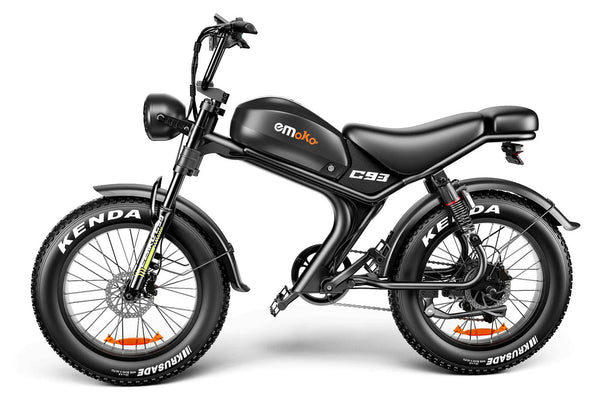
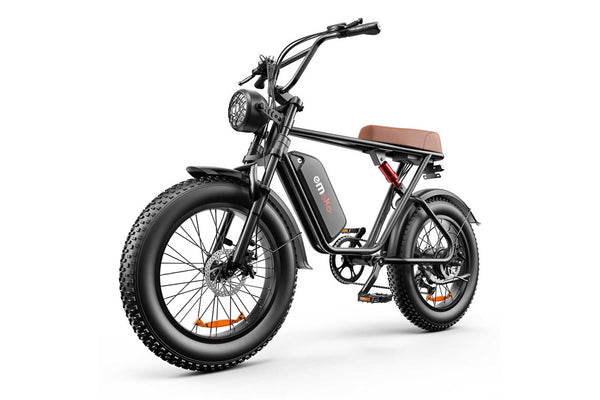
Federally, a “low-speed electric bicycle” has working pedals, a motor under 750W (1 hp), and a motor-only top speed of 20 mph on level ground. On top of that, most states classify e-bikes into three classes:
- Class 1: pedal-assist only — motor assist stops at 20 mph
- Class 2: throttle allowed — motor assist stops at 20 mph
- Class 3: pedal-assist only — motor assist stops at 28 mph (often requires a speedometer; frequently restricted to riders 16+ and kept off some shared-use paths)
- Helmet and minimum-age rules vary by state — Class 3 commonly requires a helmet
- No license, registration, or insurance is required for e-bikes in most states
If it exceeds 750W or 28 mph, or it’s a throttle bike that runs well past 20 mph, it may not count as an e-bike at all. In many states it’s then treated as a moped or motorcycle — requiring registration, insurance, a helmet, and a license to use on public roads. The exact line varies by state.
E-Scooters — How the Rules Work in the US
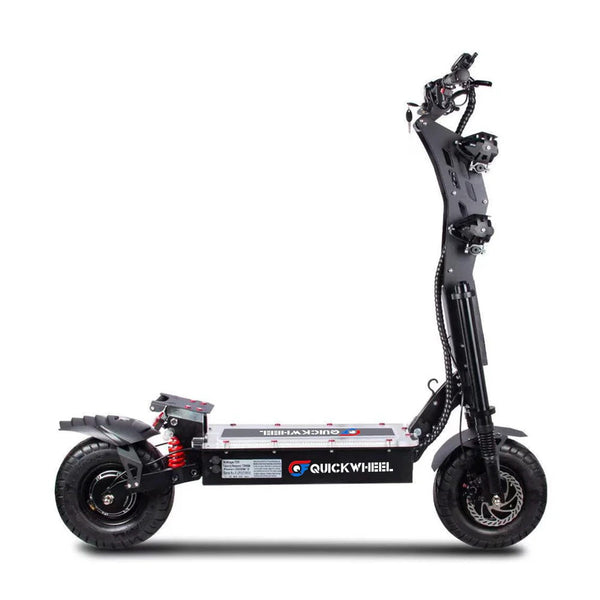
This is the part most people get wrong. There’s no single federal e-scooter law — legality is set state by state, and often city by city:
- Many states and cities allow private e-scooters on roads, bike lanes, or both — usually with a speed cap (commonly 15–20 mph)
- Sidewalk riding is banned in many cities
- Some places require a minimum age, a driver’s license, or a helmet — others don’t
- A few cities restrict or ban them entirely — always check your local rules before you ride
Off-Road Only Categories
These are great fun on private land, trails, and OHV areas — but generally not street-legal as bikes:
What’s generally street-legal in the US
- Class 1, 2 & 3 e-bikes (within your state’s rules)
- Standard pedal bikes (no motor)
- E-scooters where your state/city permits them
- Mopeds & motorcycles with registration, license & insurance
Private land & trails only
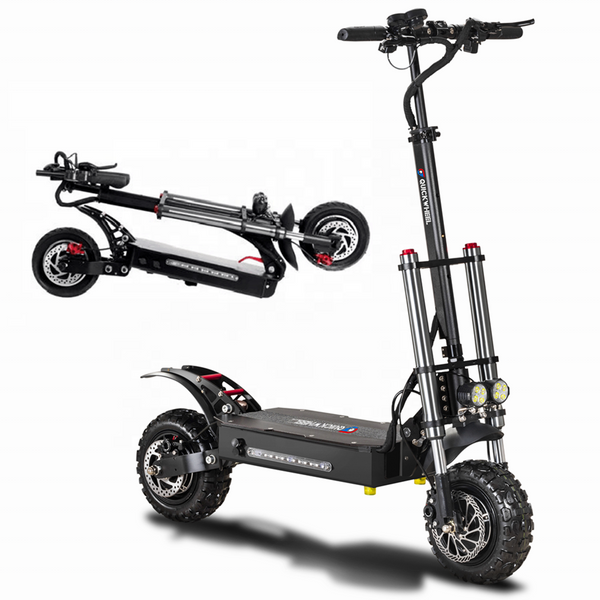
- High-power e-bikes over 750W or 28 mph
- Electric dirt bikes (e.g. Sur-Ron, Talaria)
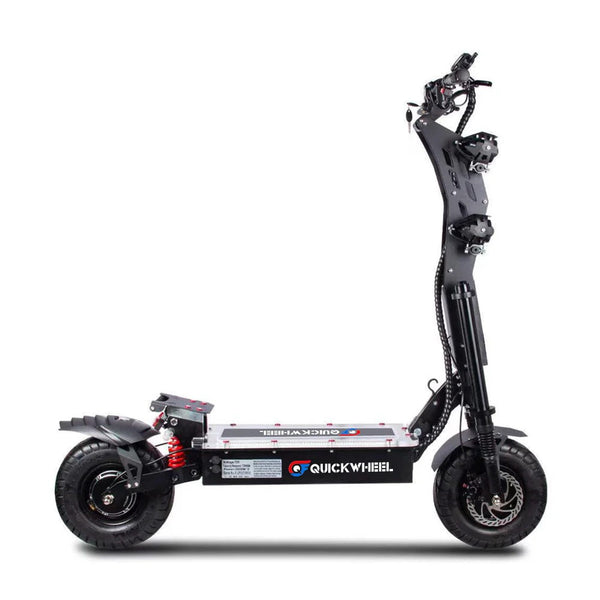
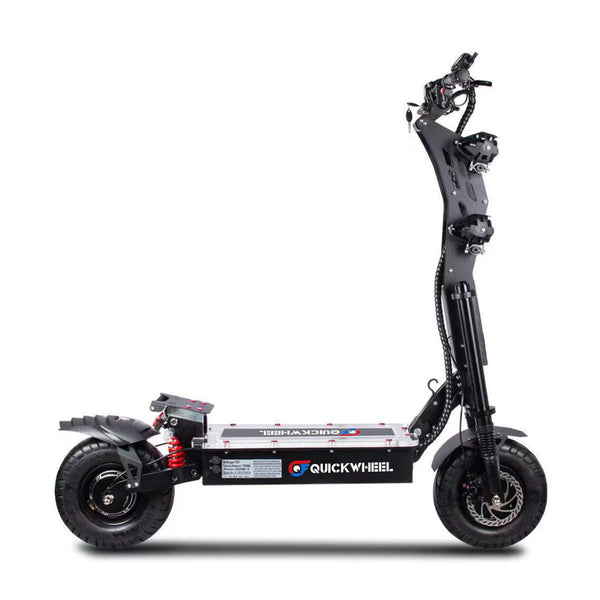
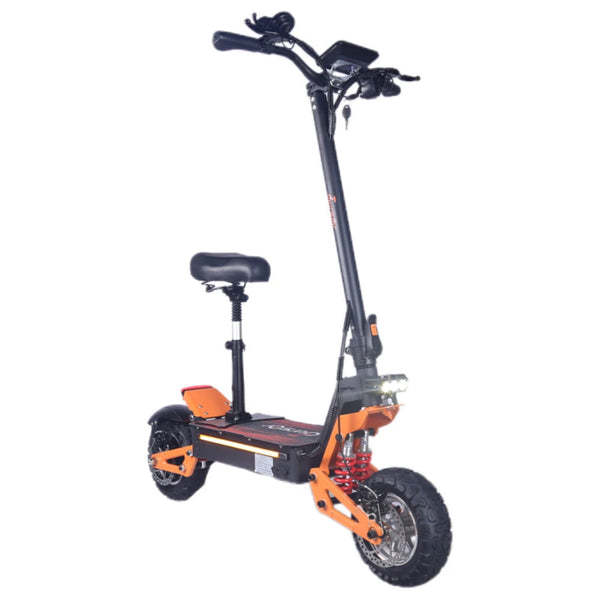
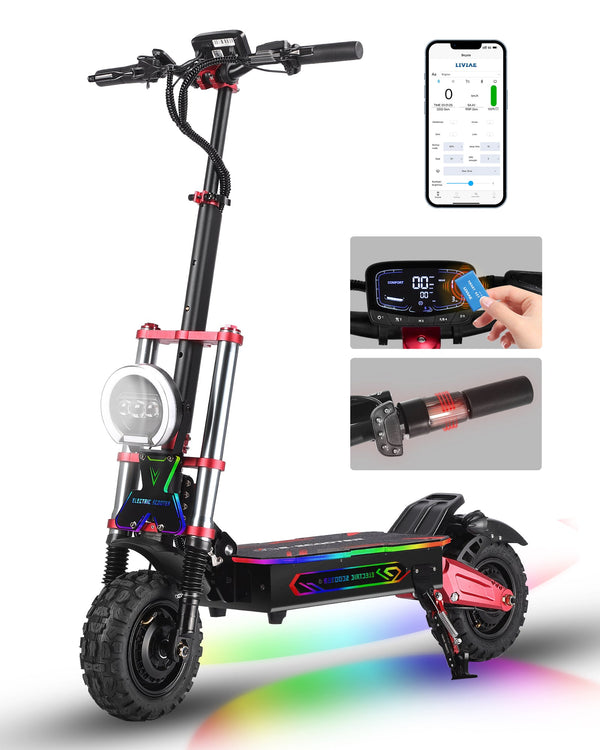
- Off-road-only high-speed scooters
- DIY builds that exceed e-bike limits
- Anything your state classifies as off-highway only
How Rydiqo® Prevents “Wrong Category” Surprises
- Listings clearly tag Street-Legal or Off-Road Only in the title
- Sellers can state the motor wattage and e-bike class on each listing
- Category structure splits dirt bikes, high-power scooters, and Class 1–3 e-bikes
- If a listing turns out to be misrepresented, our Buyer Protection covers you with a full dispute window
What Happens If You Get It Wrong
| Situation | Consequence |
|---|---|
| Riding an over-powered bike treated as a motor vehicle, without registration/insurance | Varies by state — citation, fine, or impound |
| Using an e-scooter where it’s banned (e.g. sidewalks or restricted cities) | Varies by city — citation or fine |
| No insurance on a moped/motorcycle-class e-ride | Varies by state — fine, possible impound |
| Riding under the minimum age for the class | Varies by state — fine or confiscation |
Buying / Selling Checklist
- Check the motor wattage and stated top speed in the listing
- Confirm the e-bike’s class (1, 2, or 3) and that it’s allowed where you ride
- For e-scooters, check your state and city rules before buying
- Be honest in your listing description — misleading buyers is a one-way ticket to a dispute
- Pay on Rydiqo® for full Buyer Protection on every transaction
Pro seller tip: Mark “Street-Legal” or “Off-Road Only” clearly in your listing title. Fewer disputes, faster sales, and the buyers who land on your listing are already qualified.
Ready to buy or sell with legal clarity?
Verified listings, clear category tags, and Buyer Protection on every order.
This guide reflects US e-mobility rules as of 2026 and is a general overview only. The federal e-bike definition and the 3-class system are widely adopted, but state and local laws differ and change — always check your state DMV/DOT, your city’s rules, and resources like PeopleForBikes before buying or riding. This is not legal advice.